




Special Projects
Ce Que La Matière Garde
Kazunori Hamana & Marie Hazard
Curated by 91530 Le Marais
Ce Que La Matière Garde brings together Japanese ceramicist Kazunori Hamana and French textile artist Marie Hazard for the first time in the peristyle courtyard of the Monnaie de Paris. The exhibition creates a dialogue between two vernacular traditions and two geographies: Japanese ceramics, rooted in the lineage of prehistoric tsubo jars, and weaving, which Marie Hazard pushes far beyond its conventional boundaries. Both artists share the same ethic toward raw material—one marked by neither neutrality nor dominance: the medium resists, suggests, and deviates, and the artist follows.
Their practices share a dedication to slow rhythms, repeated gestures, and surfaces that bear the mark of both time and the physical body. For both, process precedes object: the act of making is itself the form. In a world driven by speed and mass reproducibility, they raise the same fundamental question: at what point does an object begin to carry the trace of what brought it into being?
Here, surface becomes skin. The skin of Hamana’s jars bears scratches and engravings, as though the clay retained a lingering memory of a prior presence. The surface of Hazard’s weavings is not a closed membrane, but a permeable threshold that visitors approach, brush against, and step through. The weave does not enclose; it connects.
The works are scaled to the human body—they are not merely looked at, but encountered. The object ceases to be an end in itself; matter becomes context, and the space itself turns habitable, navigable, and deeply sensible.
Neither Hamana nor Hazard are craftsmen in the heritage sense. Both disrupt, question, and reinvent their traditions, guided by a shared devotion to what raw material can still teach us. Ultimately, the exhibition speaks to transmission: not of codified know-how, but of an unspoken memory embedded within the substance of things.
Kazunori Hamana
Born in 1969, Kazunori Hamana lives and works in Isumi, along the Pacific coast of Chiba Prefecture. A self-taught ceramicist, he learned by doing—balancing his time between fishing and the kiln. Built up using coil techniques from natural clays sourced in Shiga Prefecture, his large-scale jars are incised and then left outdoors to age in the elements. They possess the haunting presence of hollowed sea shells or objects weathered by the ocean, carrying on their skin the memory of earth, water, and time spent under the open sky.
Marie Hazard
A textile design graduate of Central Saint Martins in London, Marie Hazard embraces a deliberately “non-craft” practice: “Textiles are not a craft; textiles are the matrix.” The two works presented in the peristyle courtyard are woven from hemp, linen, and paper. A portion of the linen comes from leftover stock from a now-closed textile factory in northern France, gifted to her by a collector: once pressed, the threads retain the trace of their origin while taking on an entirely new function and scale. Lightweight and porous, these body-scaled textile landscapes demonstrate how a traditionally flat medium can become structure, threshold, and architecture.
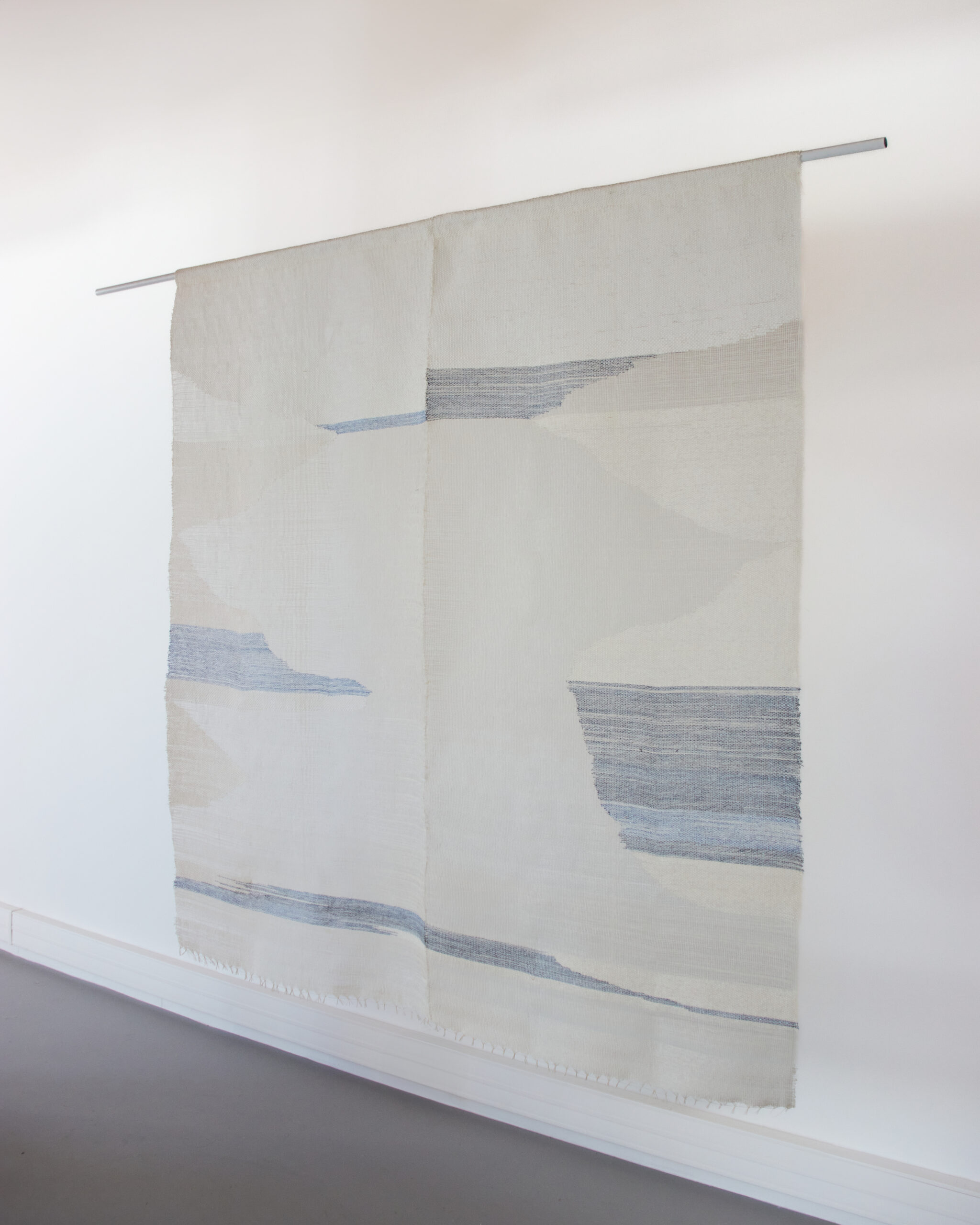
Marie Hazard
Louis Le Kim
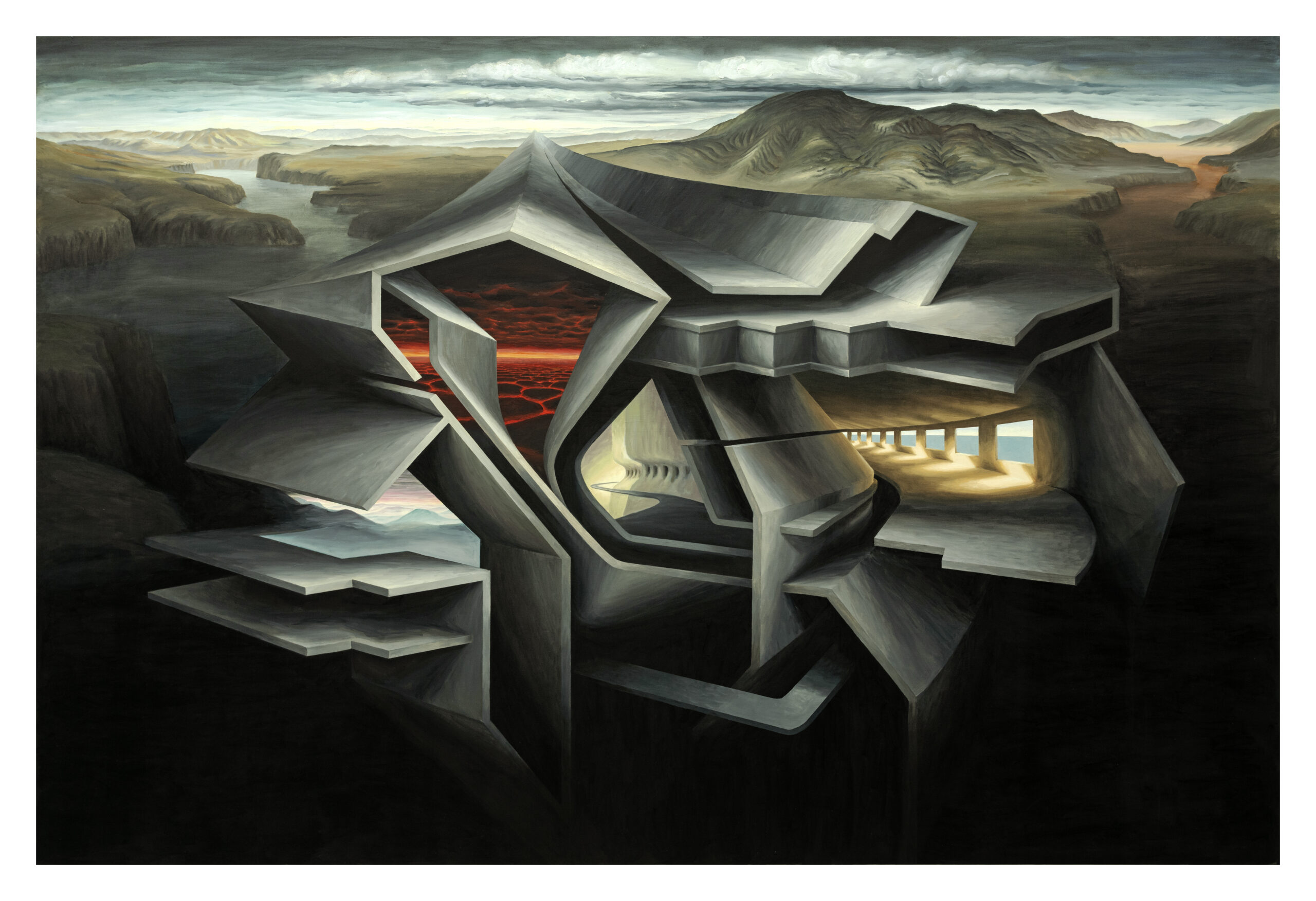
Louis Le Kim, Untitled, 200×300, 2024
Courtesy of Louis Le Kim and ARTUNER
Louis Le Kim
Presented by Artuner
Louis Le Kim’s practice explores the intersections of space, memory, and architecture, drawing on his experiences of hidden urban environments and remote historical sites across the world to create enigmatic landscapes that oscillate between reality, dream, and speculation. Presented by Artuner, the exhibition will bring together a site-specific body of work conceived in dialogue with the space, featuring a new series of paintings created specifically for the exhibition.
About Artuner
Founded by Eugenio Re Rebaudengo in 2013, ARTUNER mounts curated exhibitions of contemporary art. ARTUNER has distinguished itself through its hybrid approach, exhibiting works both online and via pop-up shows throughout Europe. ARTUNER provides guidance and expertise for collectors through educational contents on the site and a rigorous approach towards the selection of artists and projects. It offers a curated selection of artworks for sale.
Where the Wild Things Roam
Ishita Chakraborty
Presented by Galerie Peter Kilchmann
Ishita Chakraborty practice can be understood through what she describes as an ecofeminist methodology of repair: an approach that refuses to treat ecology, economy, gender, and colonial history as separate subjects. It attends to strategies and narratives of resistance articulated by individuals and communities whose knowledge and histories have often been marginalised or rendered subaltern.
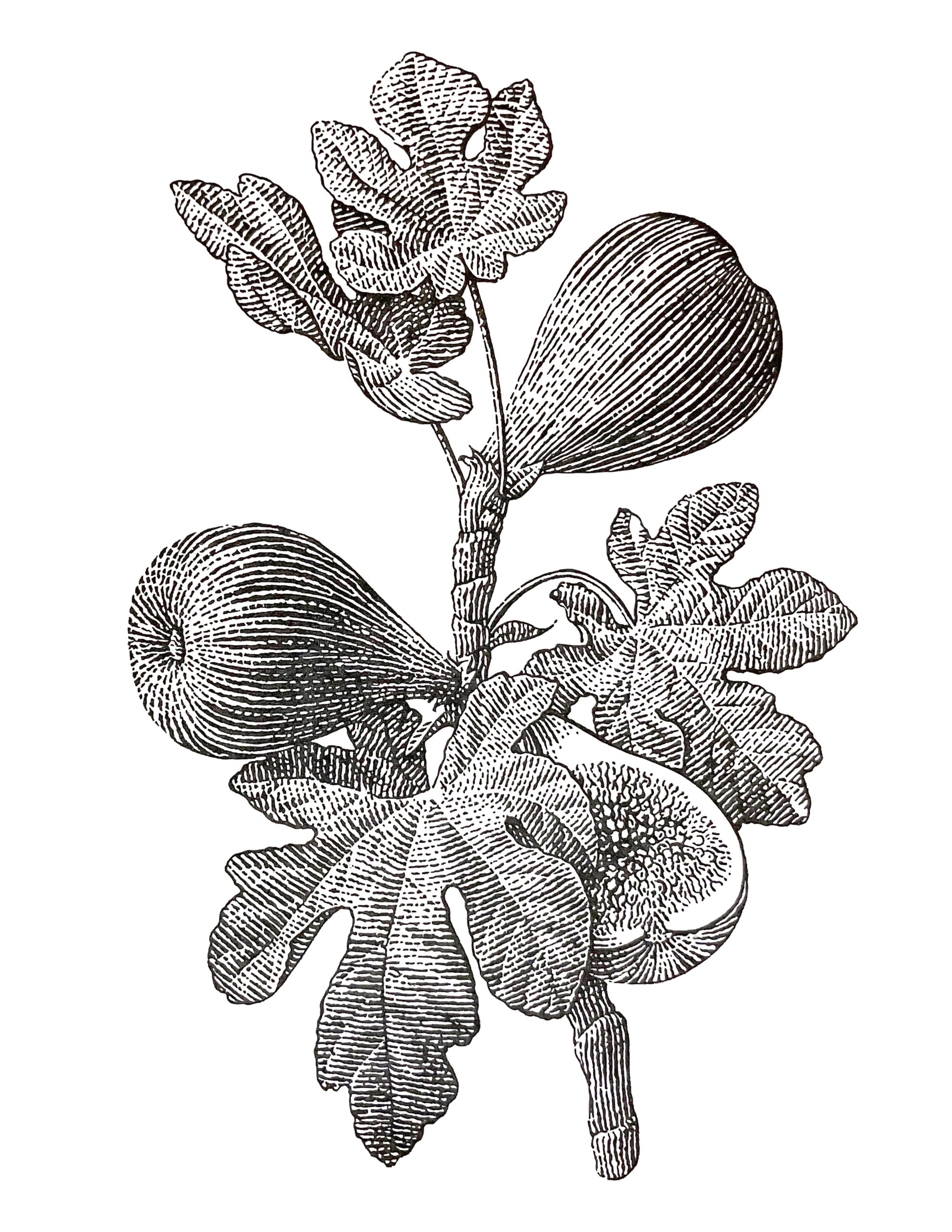
The series Where the Wild Things Roam explores histories of the circulation and extraction of resources from colonised countries of the Global South. The works are painted in acrylic on jute, then mounted on Chappa saree, a traditional Indian textile, before being cut out along their contours.
For this presentation in the Grand Staircase of the Monnaie de Paris, Ishita Chakraborty has created five new works depicting cotton, fig, geranium, corn, and jamun. Their trajectories tell very different stories of circulation. Cotton is closely intertwined with the development of colonial economies and transatlantic trade; corn, originally from Mexico, crossed the Atlantic after 1492 as part of the so-called Columbian Exchange, before becoming an agricultural crop in Europe. Geranium, native to South Africa, was introduced into European horticulture and later cultivated in several French colonial territories, particularly for the perfume industry. Jamun, native to South and Southeast Asia, circulated through gardens, medicinal practices, food cultures, and colonial botanical enterprises. The fig tree, whose dissemination dates back much further, reflects other forms of circulation linked to agricultural and commercial exchanges around the Mediterranean. Together, these plants reveal the diversity of the trajectories through which species, resources, and knowledge have circulated between territories.
Suspended in the space, the works appear detached from their natural environments, as they are from the botanical plates that served as the artist’s starting point. Their suspension evokes both their displacement and their uprooting.
Ishita Chakraborty
Apparition
Mamali Shafahi
Mamali Shafahi & Domenico Gutknecht
Produced with the support of the Sigg Art Foundation and Baró Gallery
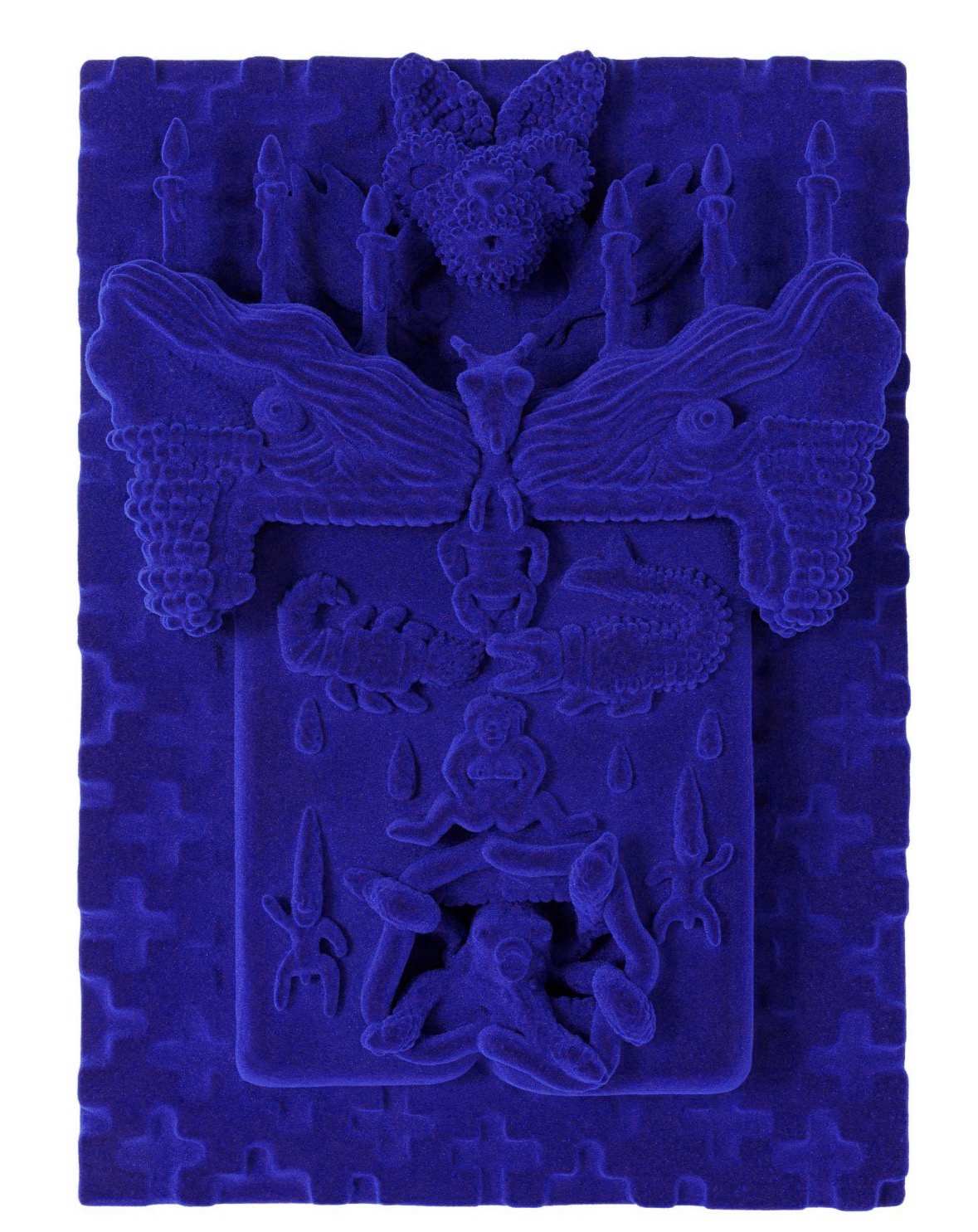
For Asia NOW 2026, Mamali Shafahi & Domenico Gutknecht present a new installation centred on a monumental blue figure. Kneeling within an organic landscape, surrounded by flowers and gestures of concealment, she appears as an almost mythological presence, bringing together beauty and violence, softness and force, vulnerability and agency.
Echoes of figures such as Medusa and Anahita place her within a lineage of mythological beings that embody contradictory forces. Hands obscure her face, holding the figure in an ambiguous space between protection, restraint and self-concealment.
Five coloured mirrors multiply the figure into shifting versions of herself. Changing through colour, angle and light, each reflection offers a different perception of the same body. The mirrors become portals, absorbing the sculpture, the surrounding architecture and the visitors themselves into a constantly changing image.
The installation embraces uncertainty as a space of possibility: a body becomes an image, the image becomes
many, and somewhere between them, a new mythology begins to emerge.
Payal Arya
Payal Arya
Presented by Prameya Foundation & Institut Français in India
Payal Arya is a multidisciplinary artist living and working in Delhi. She engages with science, ecology, history, and personal narratives to examine the intersection of the self and the non-self. Working across several media, her practice questions ideas of distance, position, and bodily tolerance to rethink what it means to have agency. She is currently teaching within the BFA program at O.P. Jindal Global University.
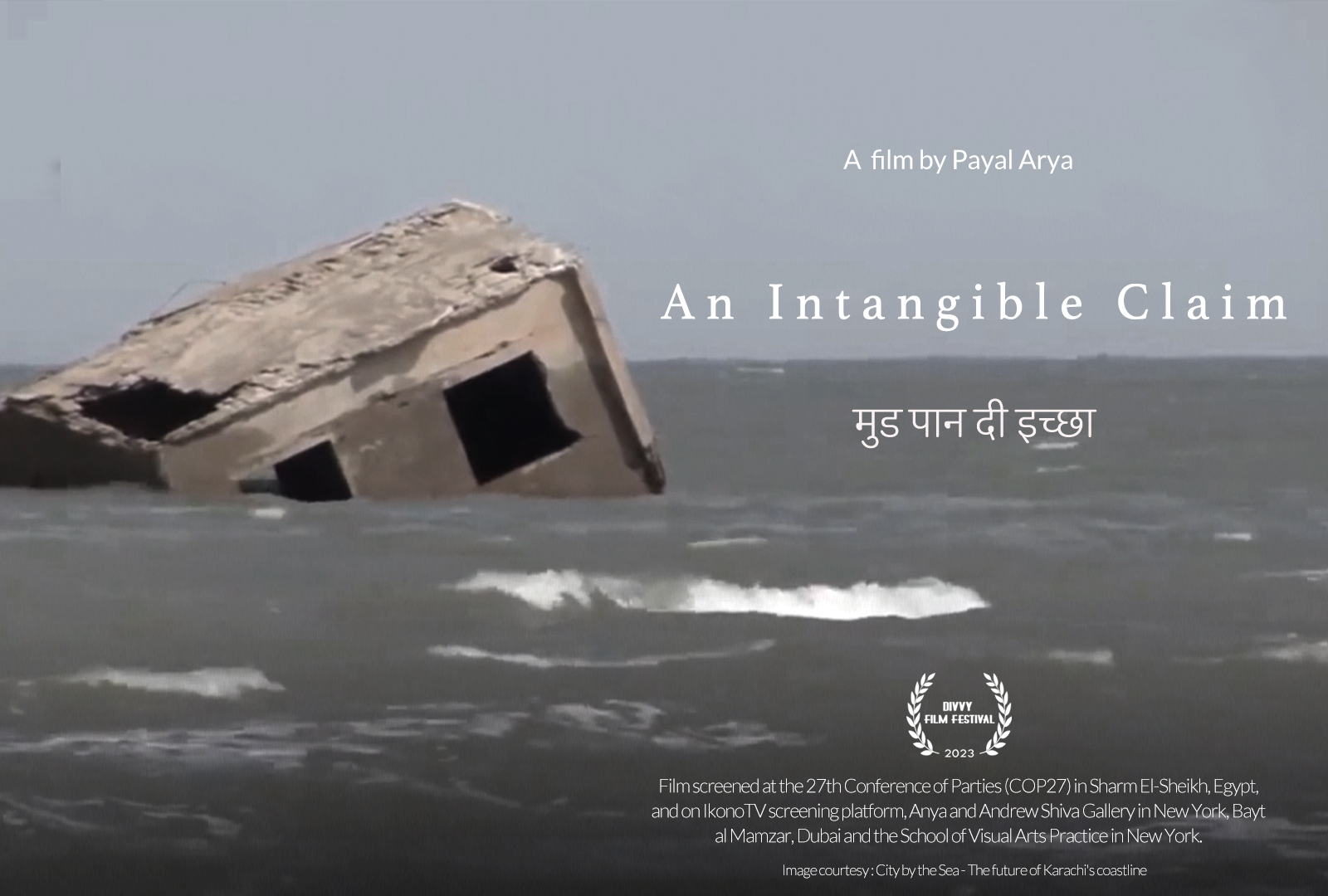
For Asia NOW 2026, the artist presents मुड पान दी इच्छा (An Intangible Claim), a film dedicated to the artist’s late naani (maternal grandmother) that questions the right to claim and own land, bringing together the histories of Partition and reclamation through the memory of a body displaced across time and borders.
Pattern Recognition
Reena Saini Kallat
Presented by mor charpentier
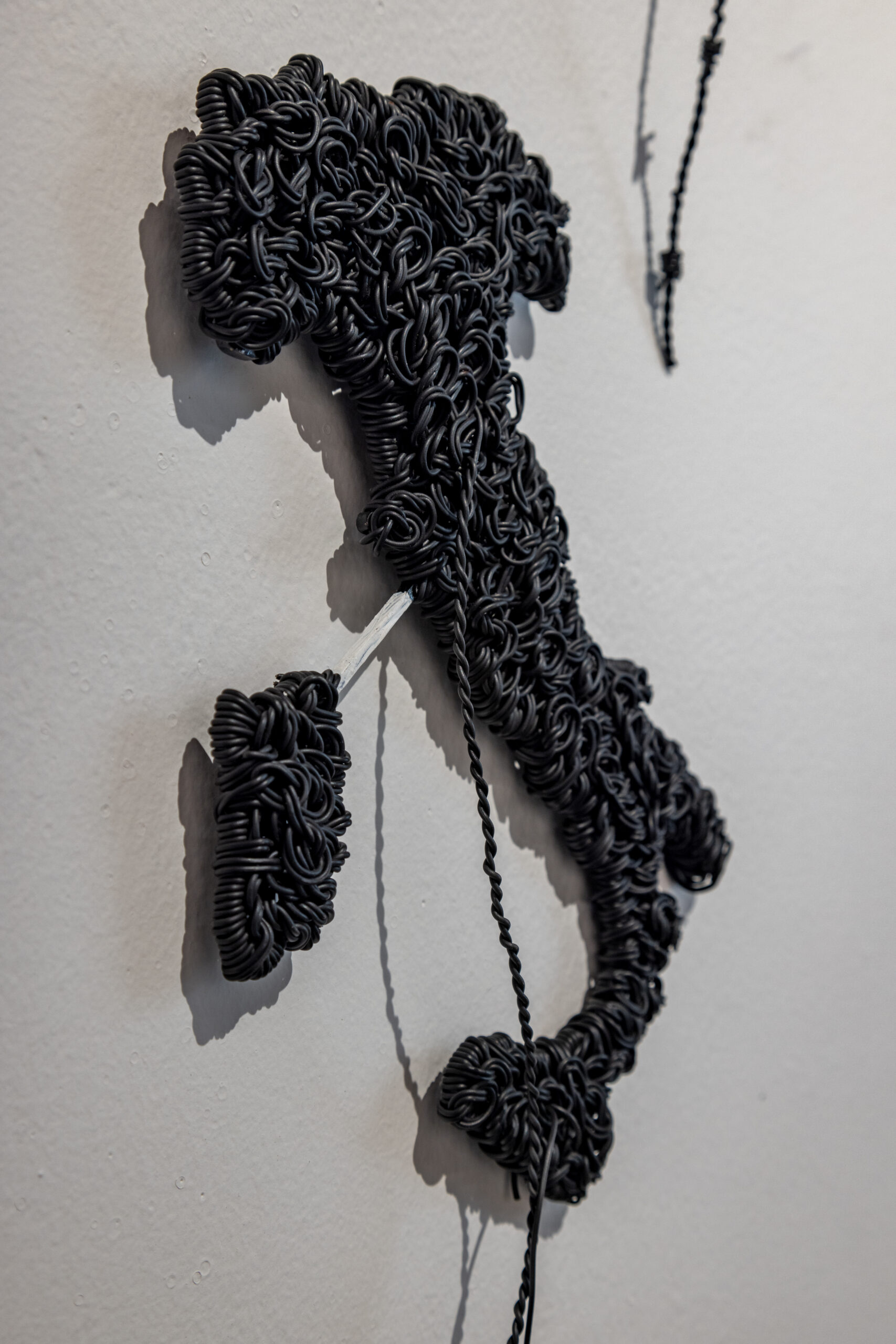
Extending the discussion on global inequality, Kallat’s large-scale wall triptych, as well as prints entitled Pattern Recognition draw attention to the ever-shifting, yet perpetually unequal politics of worldwide access and mobility.
Appropriating the format of Snellen charts (typically used to test vision), Kallat presents three pyramidical representations that feature maps of different countries. The charts are based on data from Henley’s Passport Index, which ranks nations on the strength of their passports, determined by the travel freedoms granted to their citizens. The maps of countries with visa-free travel to more regions are larger and placed higher on the charts, while countries with more travel restrictions appear below in smaller scale. The consistently significant gap between countries with the highest and lowest mobilities suggests persistent global travel imbalance. While national borders appear recurrently in Kallat’s practice, Pattern Recognition expands the conversation to encompass privilege and policy. Despite the perception of a globally interconnected world—as represented by the electric cords in the triptych for instance—physical constraints and bureaucratic measures continue to reinforce inequalities and impede mobility.
Reena Saini Kallat’s (b. 1973, Delhi, India – based in Mumbai) artistic journey encompasses drawing, photography, sculpture, and video. Her exploration of political and social borders, and their often violent impact on land, communities, and nature, reflects the enduring reverberations of the Partition in India, a nistory deeply telt by her paternal family.